Poster Presentation RACI Biomolecular Division Conference 2013
The Sulfonadyns: a new class of GTP-competitive dynamin inhibitor and anti-epileptic compound (#51)
Dynamin is a large GTPase enzyme which assembles into multimeric complexes that act as tiny ‘nano springs’ allowing scission of empty synaptic vesicles from the cell wall back inside the cell for recycling (Figure 1). As such, it is essential for the process of endocytosis and in the maintenance of neuronal transmission through synaptic vesicle endocytosis (SVE). Consequently, dynamin has been implicated in a number of neurological conditions such as epilepsy. Under epileptic seizure conditions, a neuron’s readily releasable pool of synaptic vesicles (~200) is exhausted in seconds, hence dynamin-mediated synaptic vesicle recycling is necessary for propagation and continuation of an epileptic seizure. We propose that a small molecular inhibitor of dynamin could be a potential treatment for epilepsy, by preventing seizure propagation.
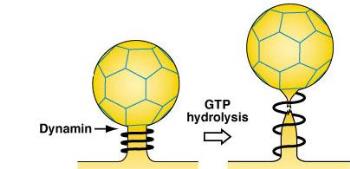
Figure 1. Role of dynamin in endocytosis.1
This presentation will outline our medicinal chemistry approach to the development of a new class of aryl sulfonamide-based dynamin inhibitors called the Sulfonadyns. Starting from a known inhibitor of endocytosis, Dansylcadaverine2,3 (Figure 2), we performed hit-to-lead optimisation and a structure-activity relationship to develop the sulfonadyns. Aspects of this project such as the in vitro and in cell biological activity (low micromolar inhibition) will also be discussed as well as evidence for their GTP-competitive inhibition of dynamin. Finally, evidence that selected Sulfonadyns are able to reduce epileptic seizures in an animal model will be disclosed, unveiling a potential new class of anti-epileptic drug.
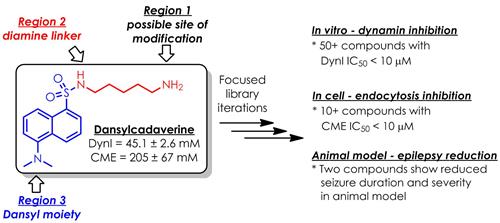
Figure 2. – Optimisation of Dansylcadaverine to potential anti-epileptic compounds.